Adelaide, South Australia
Roof Repairs in Adelaide
Tile and leak roof repairs — find the leak, fix the cause, photograph the proof.
- Licensed
- Insured
- 20+ years of experience
Free roof inspection
On the tools / tagged photos are our jobs
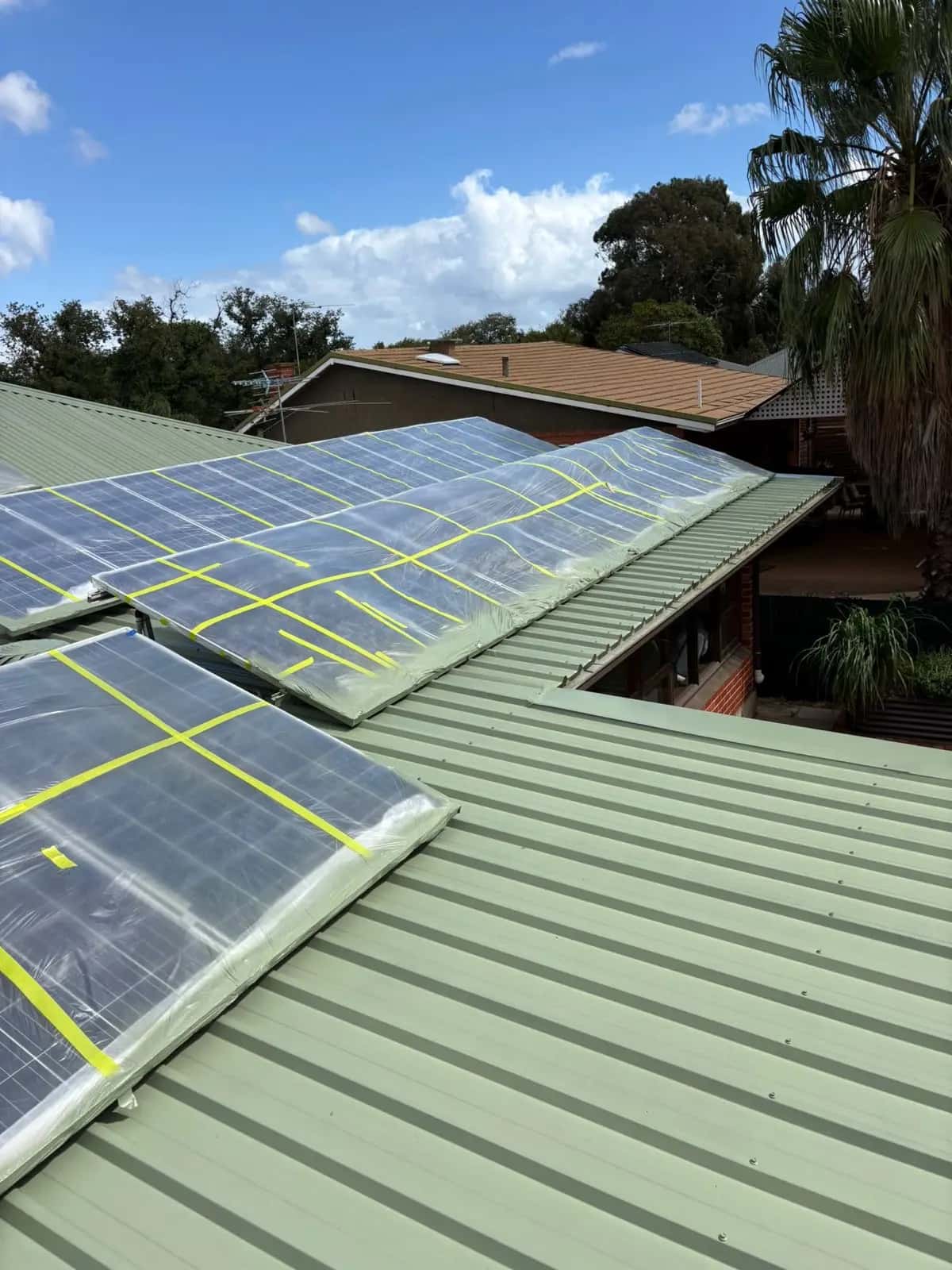
Solar handled properly — off, protected, reinstated
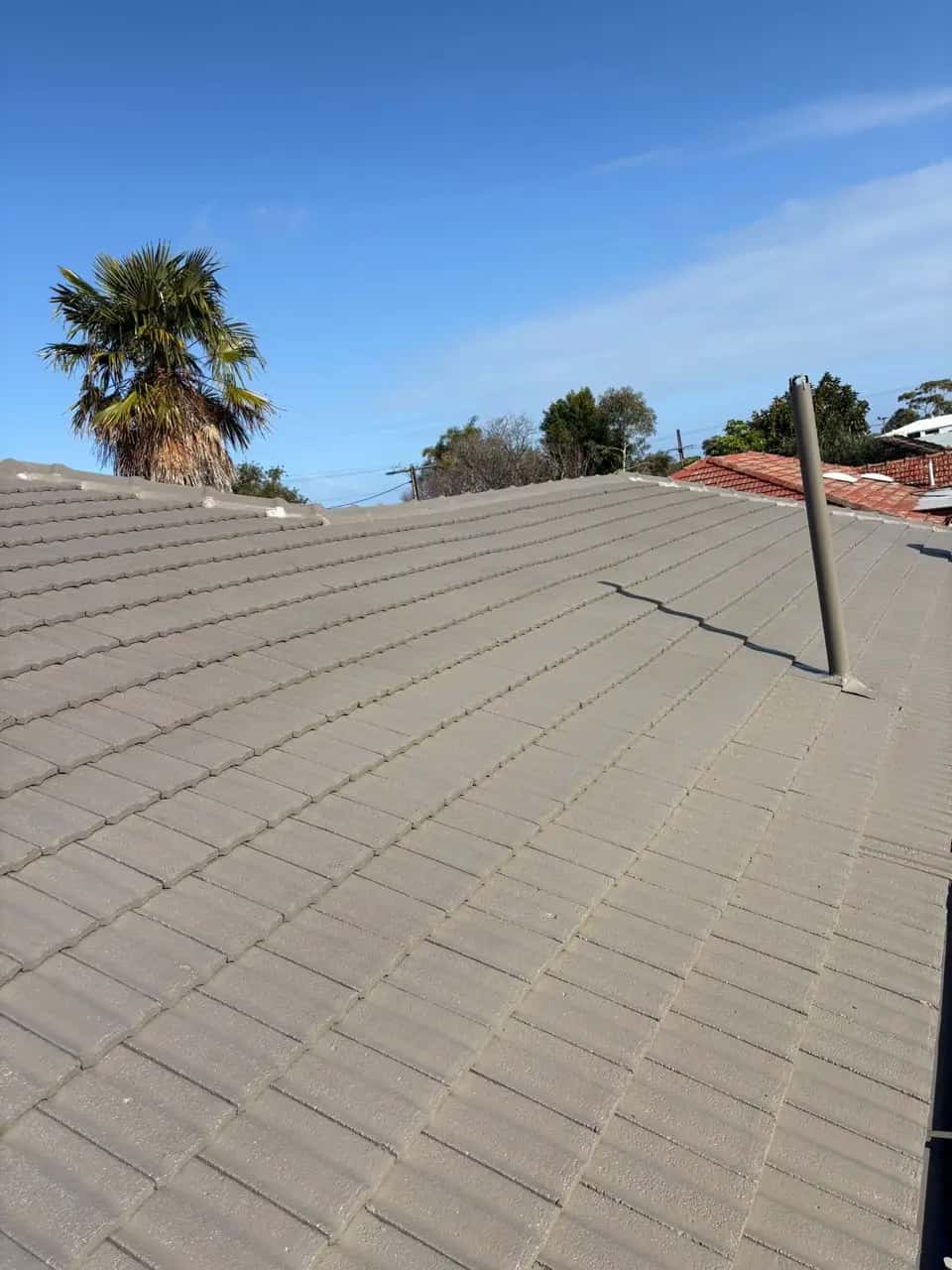
Penetrations and flashings — where most leaks start
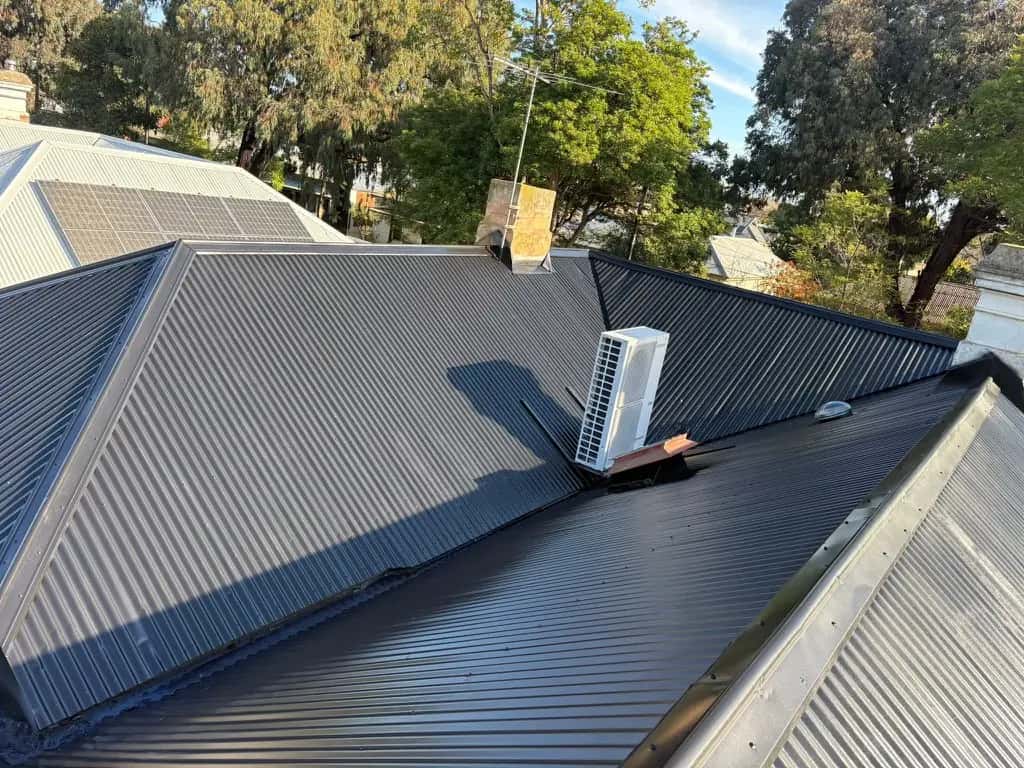
Corrugated re-roof, flashings and valleys renewed
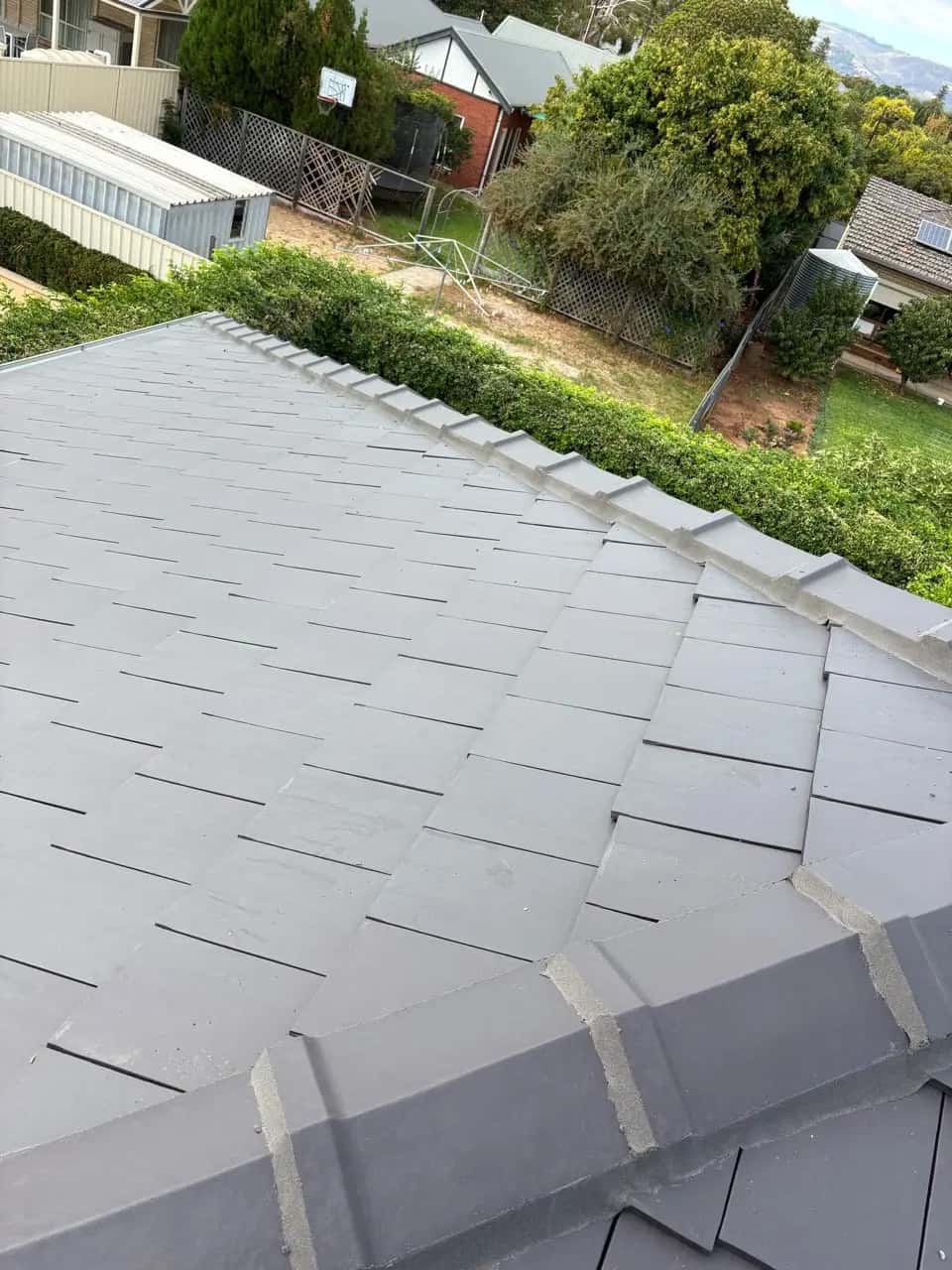
Re-bedded and re-pointed ridge, then coated
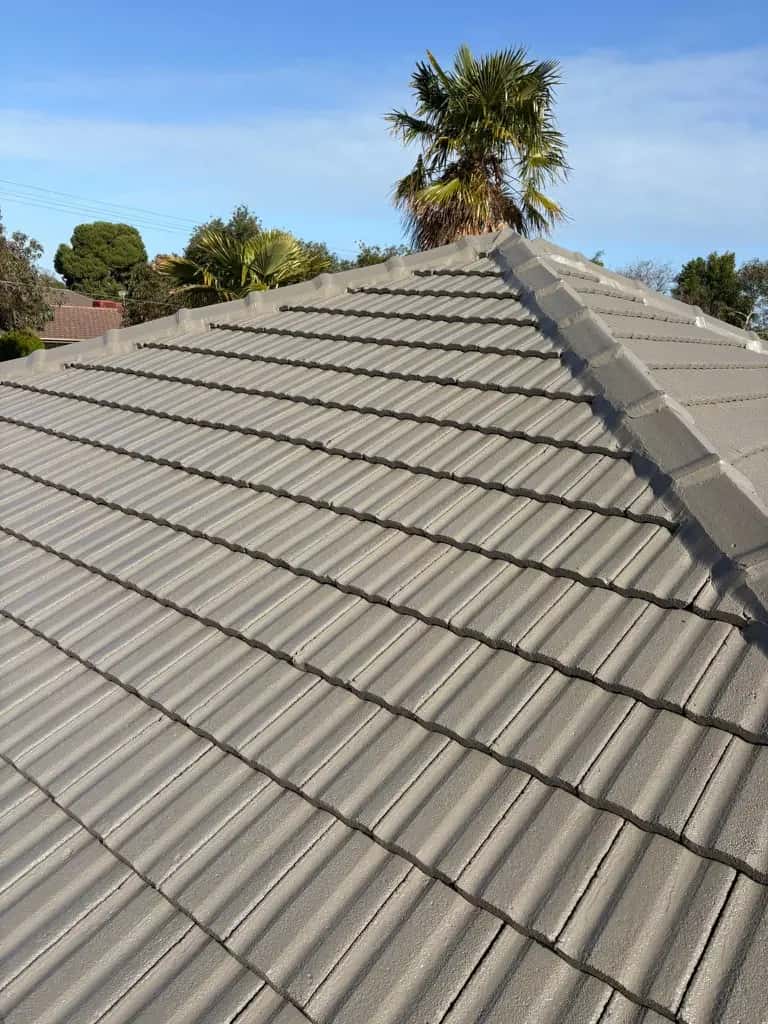
Straight hips and a sealed ridge line
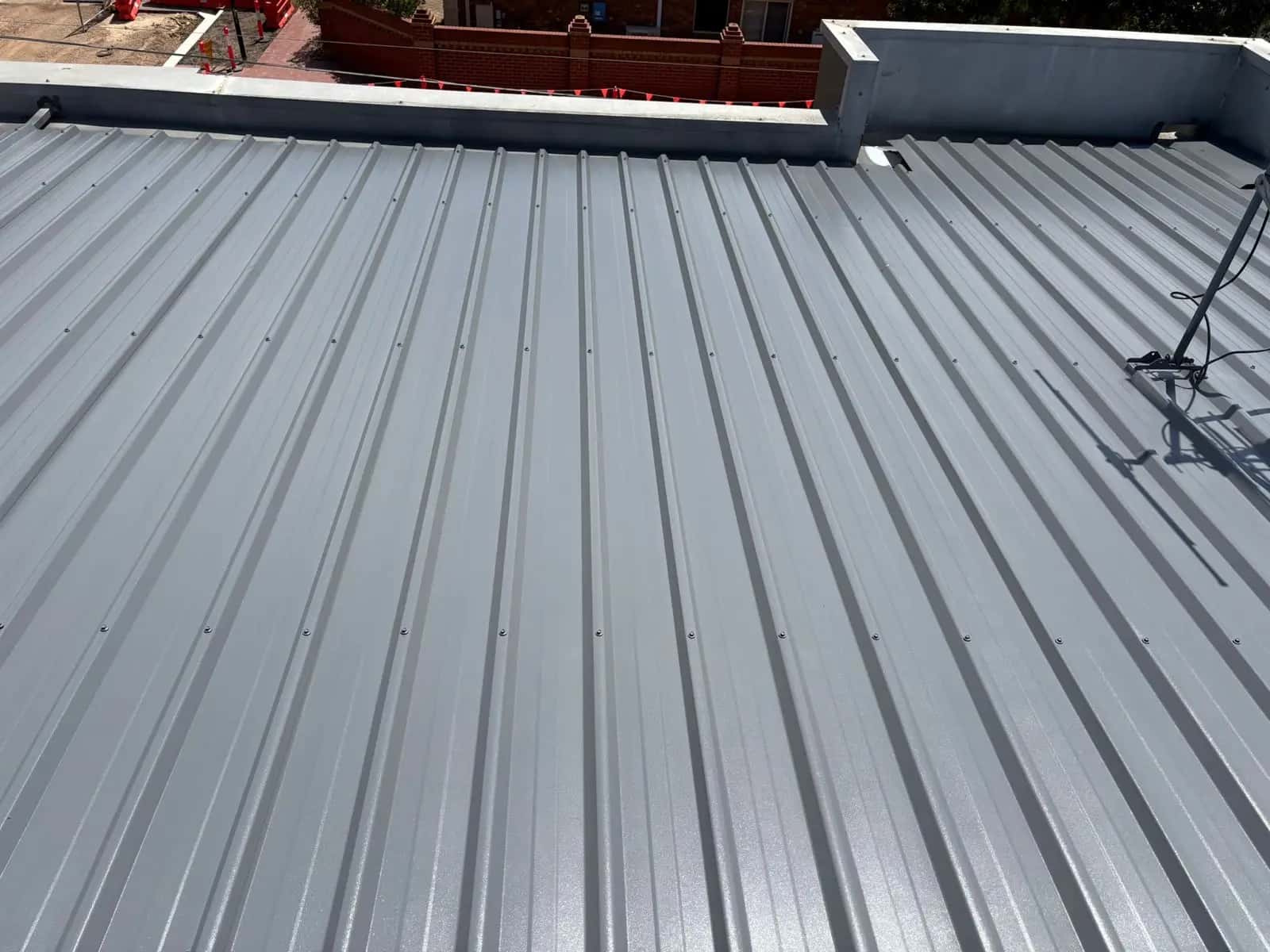
Trimdek re-roof behind parapet
On the tools — pressure-cleaning a metal roof
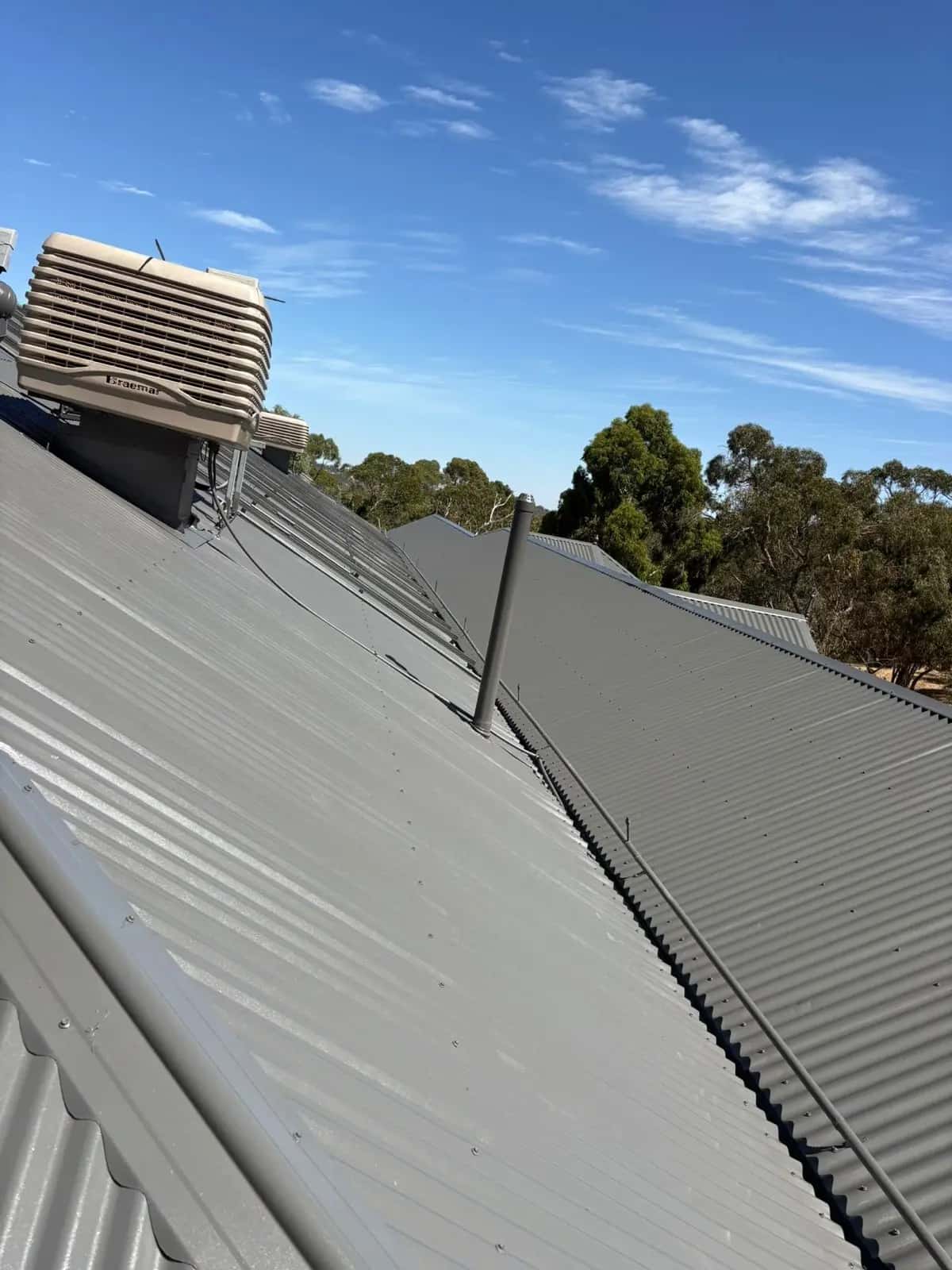
Metal re-roof around existing services
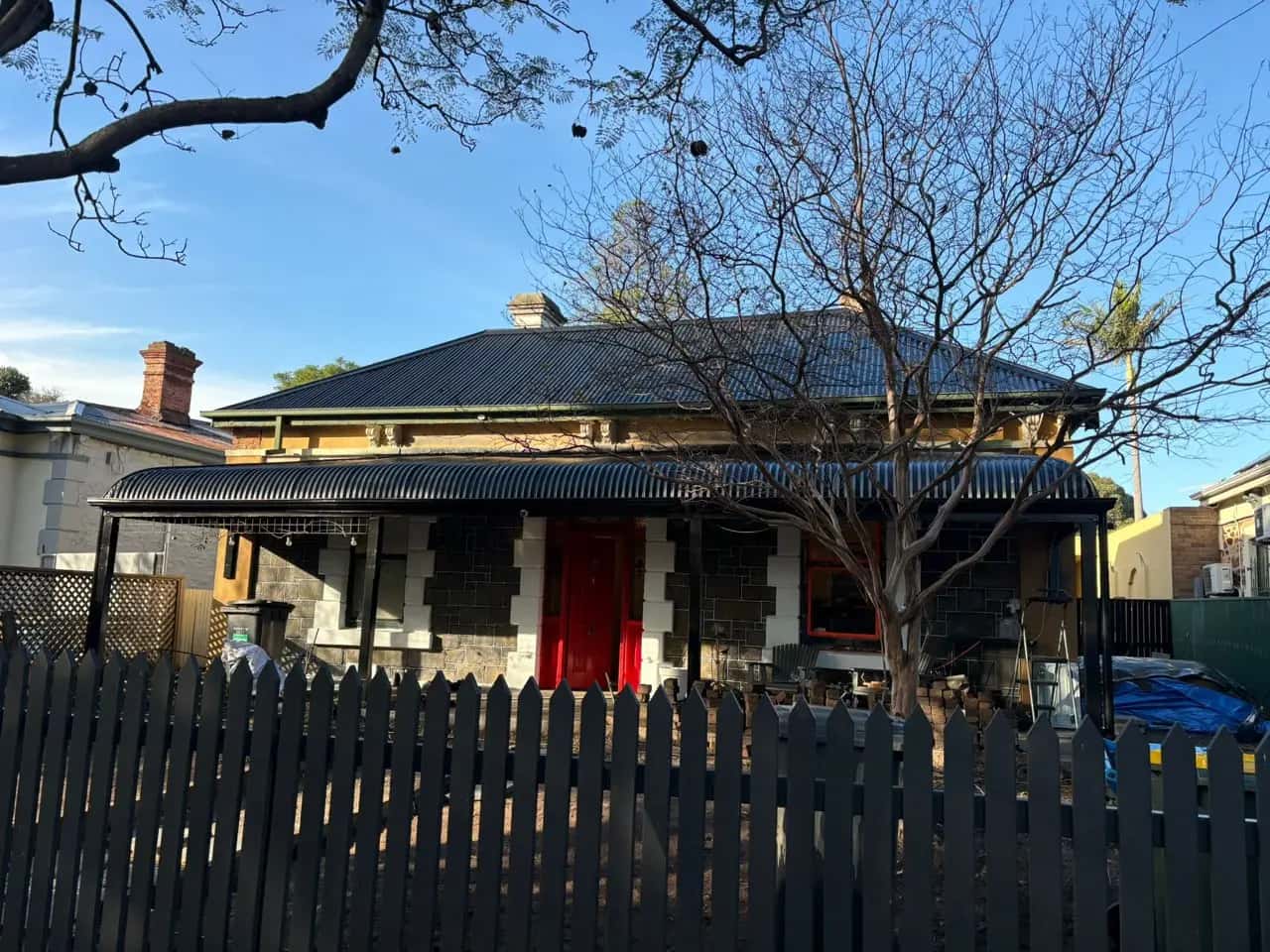
Heritage villa — new corrugated roof and veranda
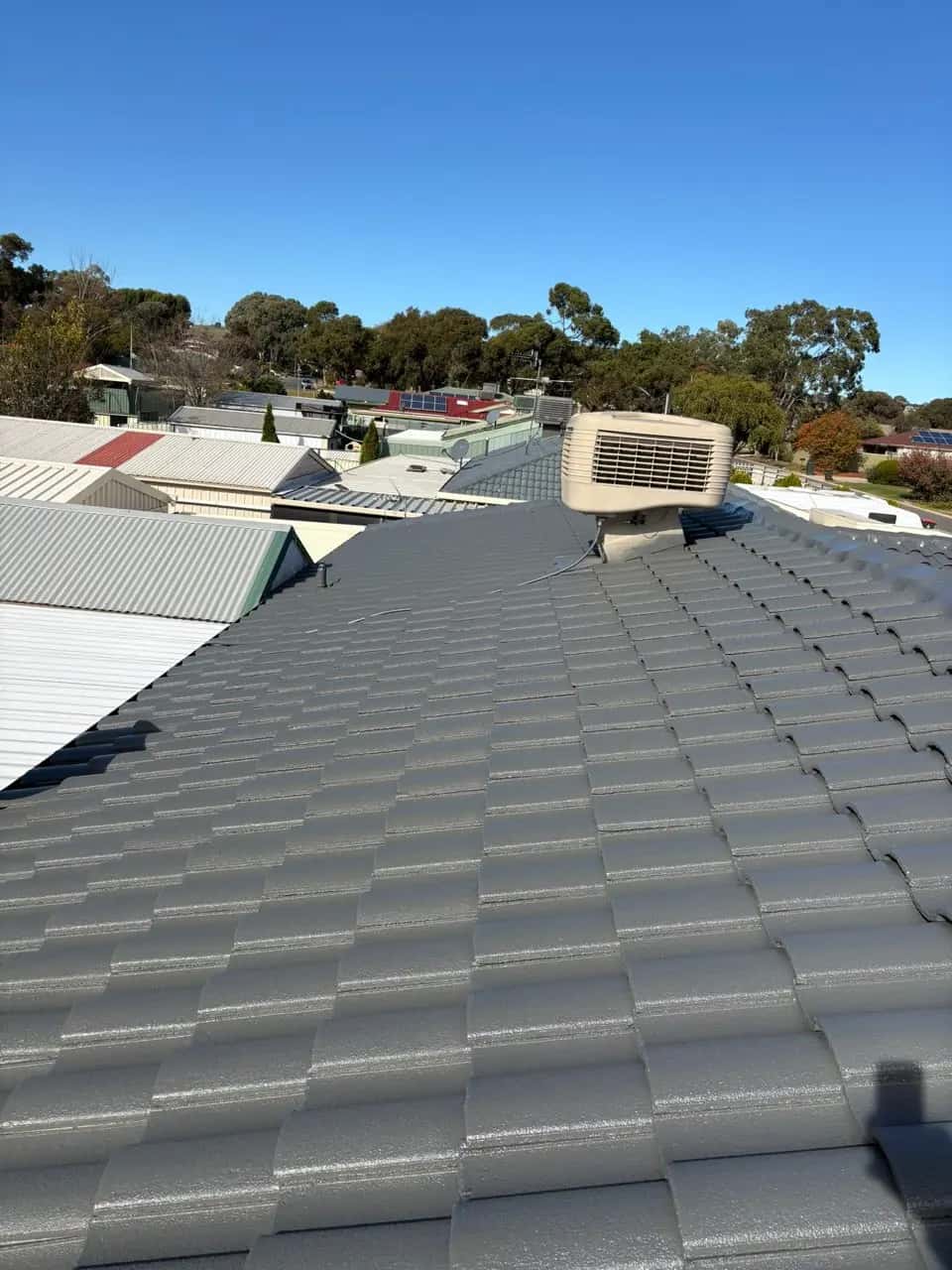
Cleaned, repaired, primed and coated
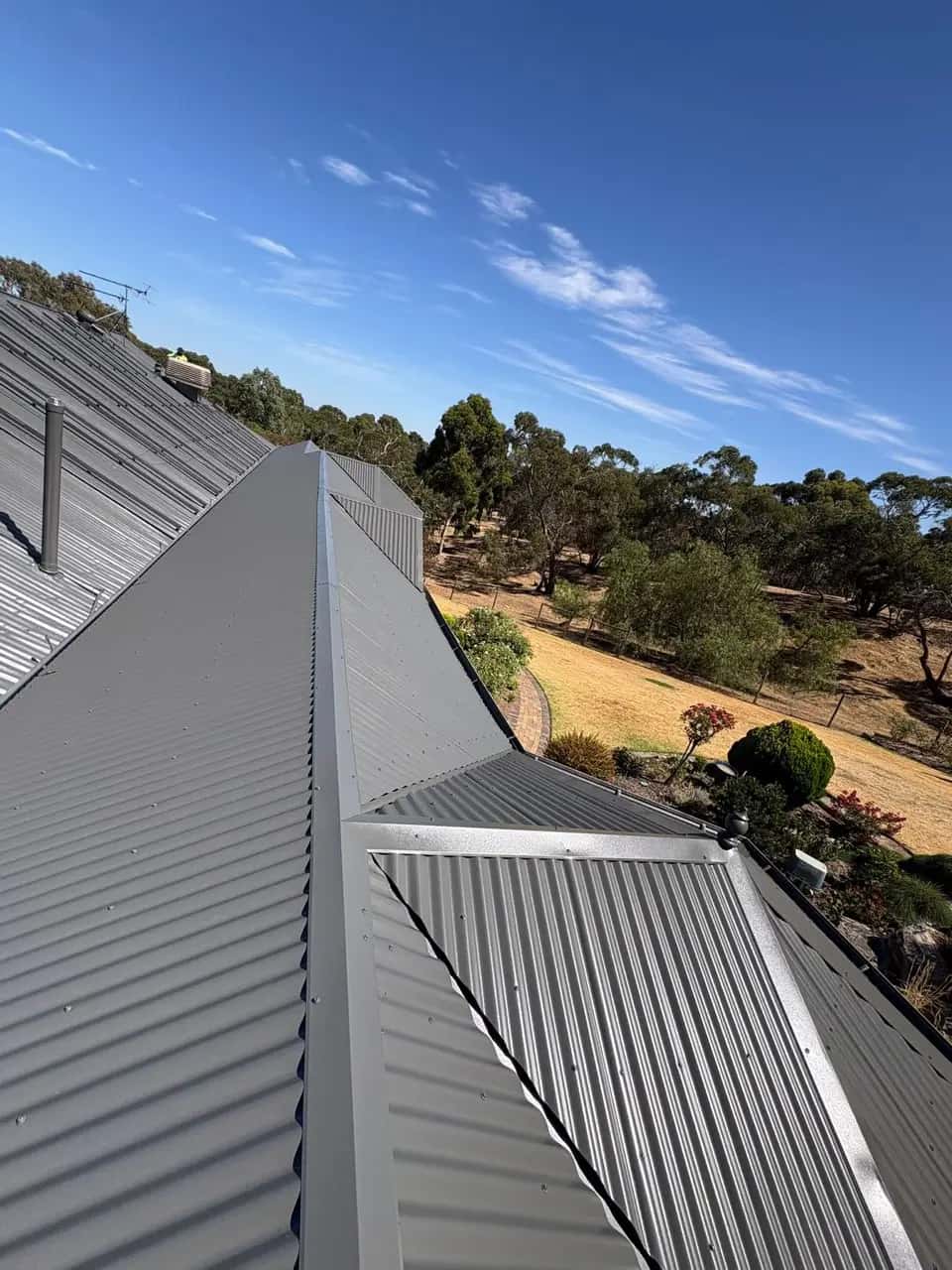
Tile-to-Colorbond conversion, complete
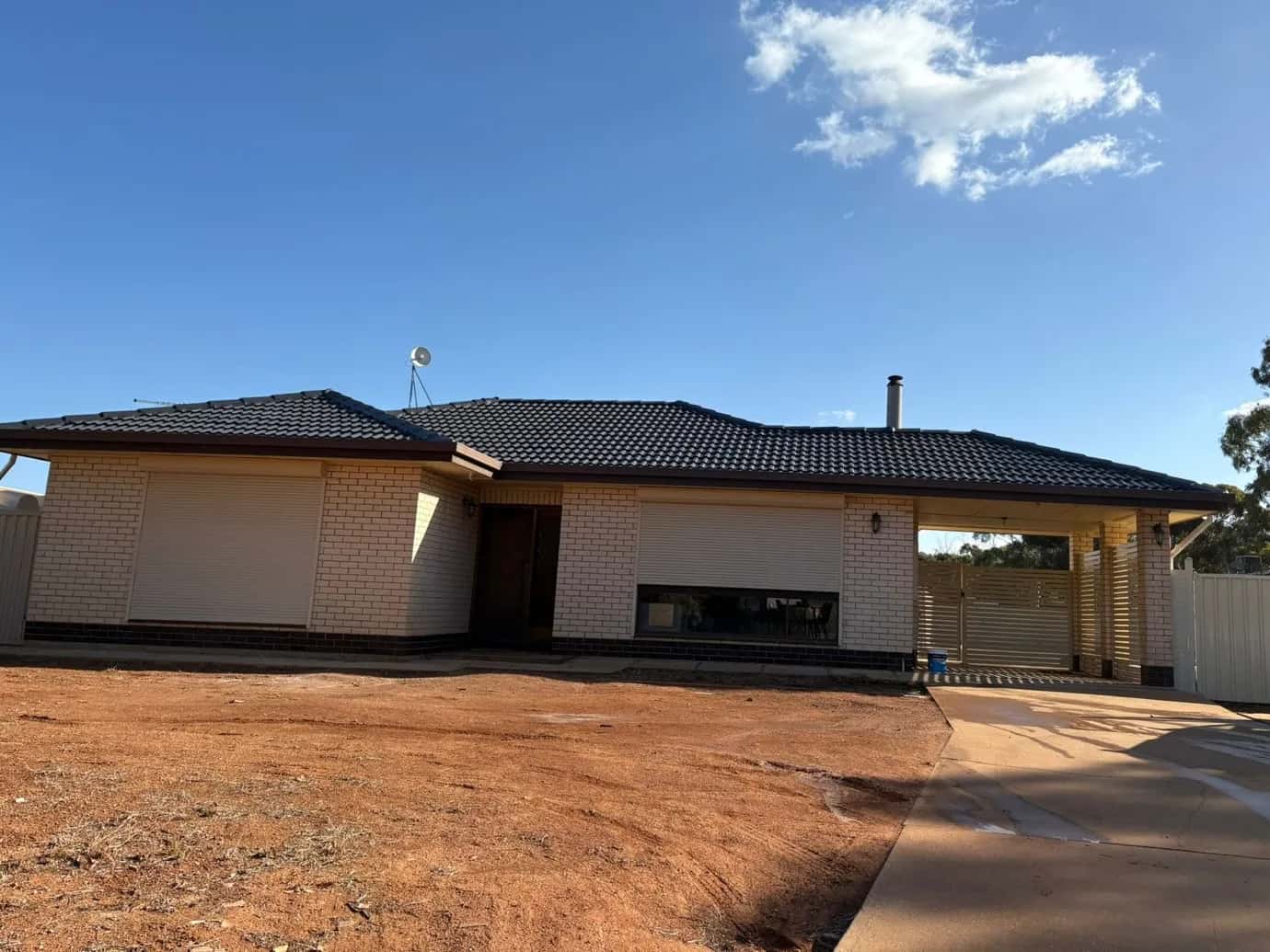
The finished job from the street
Repairs / how we find the leak
Water never enters where the stain shows — it travels. Chasing leaks is diagnostic work: we trace the path from the ceiling mark back up through the cavity to the true entry point, fix that, and photograph it. A repair that treats the symptom is a repair you pay for twice.
The usual suspects in Adelaide: cracked and slipped tiles, screws that have lost their seals, lifted or corroded flashings, rusted-through valley irons, and ridge capping with failed pointing. All of it is repairable — and honest repair work is also how we tell you when a roof has moved beyond repairs.
How we find the actual leak
Water rarely enters where the stain appears. The work is tracing it back to the entry point before anything is sealed.
Start inside, then go up
Ceiling stains, damp patches and lifted paint point to the area. From there we get on the roof and check the likely candidates in order, instead of sealing the first one that looks suspect.
Valleys, flashings and penetrations
Most leaks start where two planes meet or where something passes through the roof: valleys, box gutters, ridge capping, and chimney or vent flashings.
Test, don't guess
Where the source is not obvious we water-test the suspect area and watch for it inside, so the repair targets the entry point rather than the symptom.
The repairs we do most
Cracked and slipped tiles
Broken or displaced tiles let water straight through. We replace them, then check the courses around them for the same failure.
Ridge and hip re-bedding
The mortar holding ridge capping cracks with age and movement. Re-bedding and re-pointing stops the water that gets in along the ridge line.
Flashings and valleys
Rusted or lifted flashings and blocked valleys hold water against the roof. We renew and reseal them so water leaves the roof the way it should.
Rusted sheets and fasteners
On metal roofs, failed screws and rusted sheets are common entry points. We replace the fasteners and treat or replace the affected sheets.
Before the repair: what we check
A repair only holds if the problem around it is dealt with too. These are the things we look at while we are up there.
Whether it is one leak or several
Water travels. What looks like a single stain is sometimes two separate entry points, or one entry point and a second waiting behind it. We map what we find rather than fix the first thing we see.
The age of the roof
A single cracked tile on a sound roof is a repair. Widespread cracking, rusted valleys and perished flashings are a different conversation, and we will tell you which one you are in.
What sits above and beside it
Solar, skylights, air-conditioning and satellite mounts are all common leak sources. We check the penetrations as part of the job, not as an extra later.
The gutters and drainage
Water that cannot leave the roof finds its way back in. We check that gutters, valleys and downpipes are actually carrying water away from the property.
What it takes to do the job properly
The difference between a repair that lasts and one that comes back is usually the preparation around it, not the part replaced.
Getting to the actual entry point
Sealing the stain on the ceiling fixes nothing. The work is finding where the water gets in, which is often some distance from where it shows, and dealing with that.
Matching the existing roof
Replacement tiles and sheets need to match what is already there in profile, colour and size, or the repair stands out and can leave a step where water catches.
Working safely at height
Sloped tile, steep metal and double-storey roofs all need the right access. We work to the conditions on the day rather than cutting corners to save time on the roof.
Testing what we have done
Once the repair is made we water-test the area where we can, so the fix is confirmed rather than assumed.
Telling you what we found
You get told what the problem actually was, what we did about it, and whether anything else up there is likely to fail next. No jargon, and no work sold that the roof does not need.
What this covers / leak detection · broken tile repairs · flashings · valley irons · storm damage repairs · roof ventilation & whirlybirds
- 01Leak traced to its entry point — not painted over at the stain
- 02Broken, cracked and slipped tiles replaced with matched stock
- 03Flashings resealed, re-dressed or replaced
- 04Valley irons cleared or renewed
- 05Storm damage made safe, documented and repaired
- 06Whirlybirds and vents supplied and fitted where the roof needs to breathe
How it goes
- 01
Trace
From the stain back to the source — cavity inspection, water path, photos of the actual entry.
- 02
Fix the cause
The failed component is repaired or replaced. If neighbouring materials are on the same path to failure, we tell you now, not next winter.
- 03
Prove it
Photo record of the completed repair, and where the roof has other issues worth watching, an honest note about them.
What moves the price / quoted after the inspection
Every roof is priced from the inspection, not a phone guess — but the same factors decide the number on every Adelaide job. Here is what we look at, and why it changes the quote.
- 01Finding the leak — Some leaks show themselves quickly; others take tracing across planes and valleys before the entry point is certain.
- 02Access to the leak — A leak near a valley or under solar needs more setup than a broken tile beside a ladder.
- 03Parts and matching — Matching a discontinued tile profile or a specific flashing changes the part cost.
- 04Extent of the damage — One broken tile is a small job; a failed flashing that has rotted the surrounding battens is a larger one.
Straight answers
My ceiling has a stain but it hasn't rained — is it urgent?
Worth an inspection either way. Stains lag the leak; the timber and insulation above may have been wet repeatedly before the mark appeared. The inspection traces the leak back to its entry point and photographs it, so you see what the repair involves.
Can you match my old tiles?
Usually. We carry and source common Adelaide tile profiles including discontinued lines from salvage. Where an exact match isn't possible, we harvest visible-area tiles from hidden planes and put the odd ones out of sight.
Do you repair storm damage?
Yes — make-safe first, then a documented scope with photos your insurer can work with, then the permanent repair.
Free roof inspection / the honest starting point